How We Develop Custom Scale Models

HomeServicesHow We Develop Custom Scale Models
Custom scale model development shown from 3D engineering and ABS prototype to finished production models

OEM Custom Model Development

How We Develop Custom Scale Models

A clear path from initial quotation and engineering review to prototype approval, production tooling, mass production and final delivery.

  • Prototype Stage
  • Tooling Stage
  • Mass Production Stage

Project Information

What We Need Before Quotation and Development

An initial quotation needs a clear project brief. Detailed engineering data is normally collected after the project is confirmed and before prototype development begins.

Vehicle reference images, 3D engineering data, dimensions, colour references, logo artwork and packaging artwork prepared for a custom model project
Complete reference material helps us evaluate cost, engineering feasibility and the level of detail expected from the finished model.

For an Initial Quotation

Quotation Requirements

  • Exterior and interior reference photos of the real vehicle or equipment.
  • Real vehicle dimensions and the required model scale.
  • Required functions, such as opening parts, steering or moving equipment.
  • Packaging requirements.
  • Estimated order quantity for each model, colour or version.

After the Project Is Confirmed

Engineering references for development

  • Editable 3D data of the real vehicle or equipment.
  • Detailed exterior, interior and component photographs from multiple angles.
  • Confirmed scale, functions, dimensions and product specification.
  • Colour references, logos, badges, number plates and printed graphics when requested.
  • Final packaging structure and editable packaging artwork before production preparation.
3D data and quotation are different steps. Editable 3D data is not required for the initial quotation. Once the project is confirmed and officially starts, editable 3D data of the real vehicle must be provided before model engineering and prototype development can begin. Complex projects may also require around 100–200 detailed photographs, depending on the vehicle structure and completeness of the 3D data.

Three Main Stages

One Project, Three Approval Points

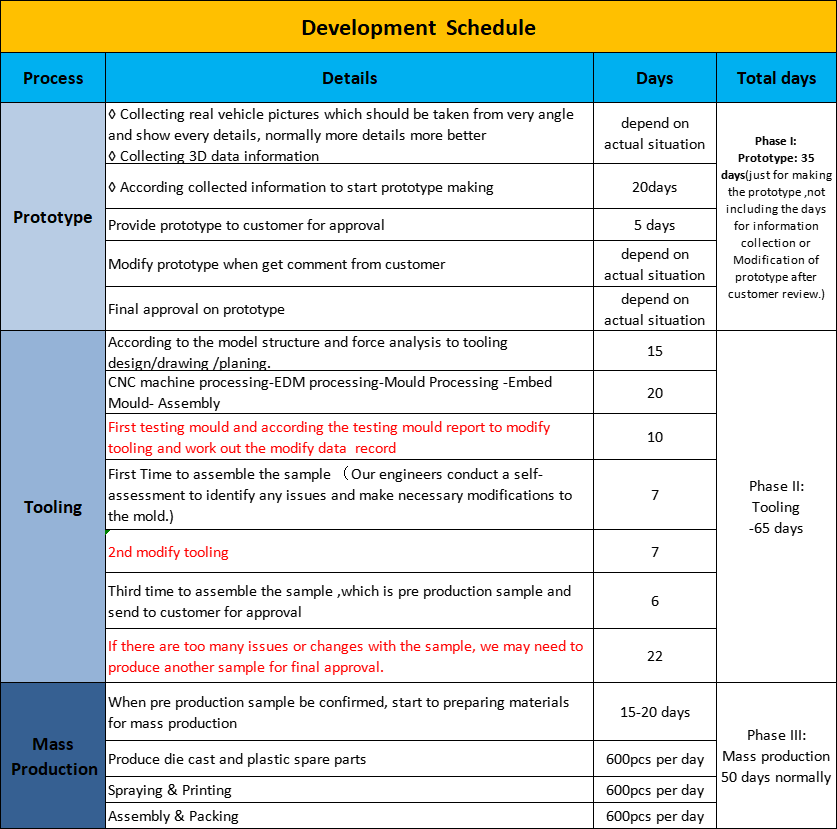
Each stage answers a different question: Is the structure correct? Does the production sample meet the agreed specification? Can the approved standard be reproduced consistently?

01

Prototype Stage

Engineering data, physical prototype and customer approval of the model structure.

Typically about 35 days
02

Tooling Stage

Production tooling, trial parts, finished sample and final sample approval.

Typically about 75 days
03

Mass Production Stage

Parts production, finishing, assembly, inspection, packing and shipment preparation.

Typically 45–60 days
Lead times are project-specific. Timing starts after the required information or approval for that stage is complete. Model complexity, sample revisions, quantity, packaging and testing requirements can affect the final schedule.
01 Prototype Stage

Confirm the Structure Before Steel Tooling Begins

The prototype turns the engineered model data into a physical reference that the customer can inspect before committing to production tooling.

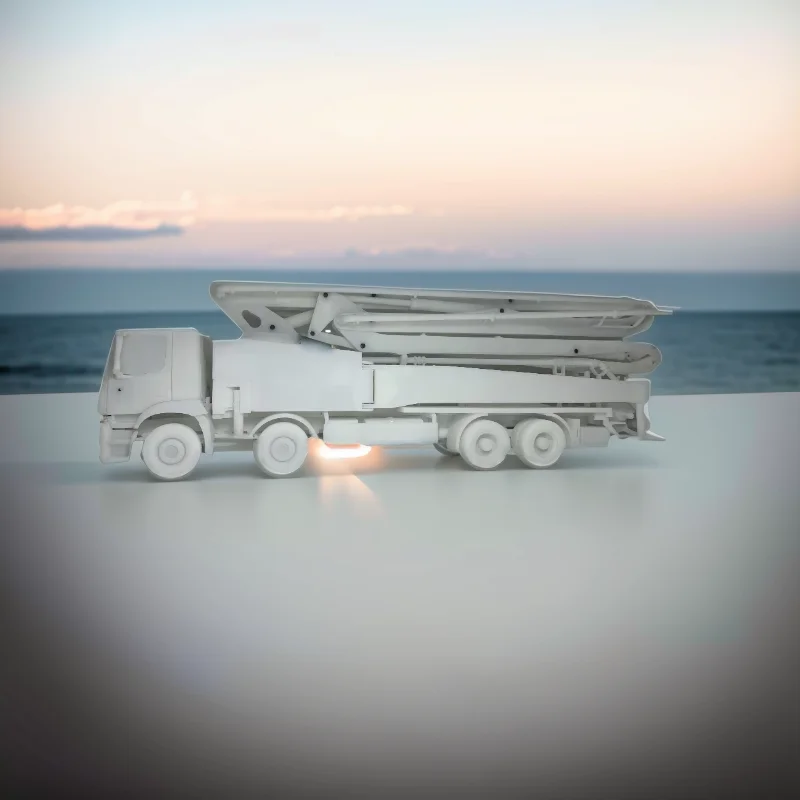
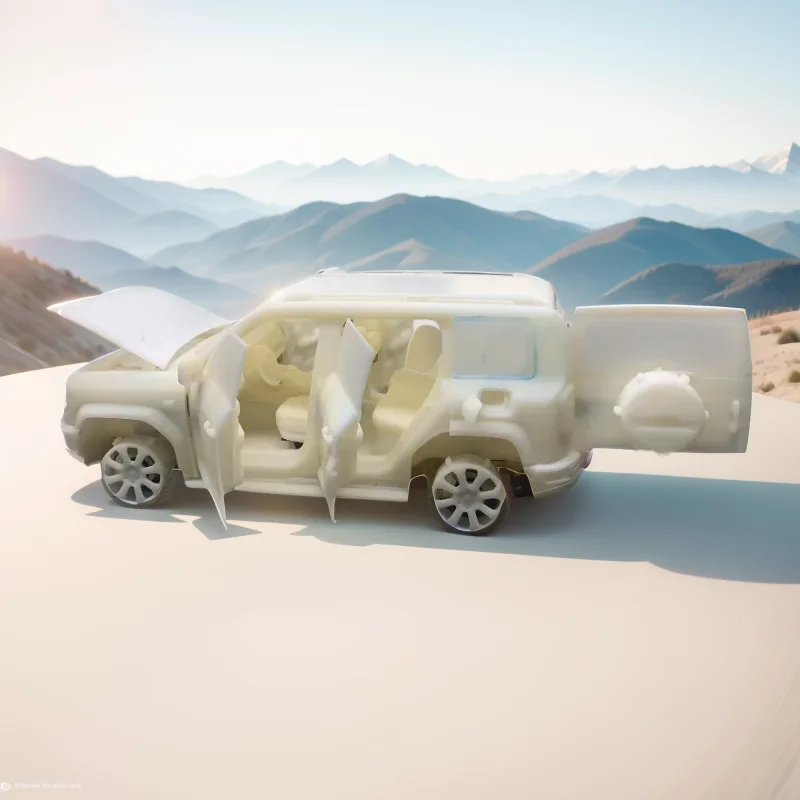
Scale model engineering data and white ABS prototype used to review proportions, part separation, gaps and opening functions
STEP 01

3D Data Scaling

The editable 3D data of the real vehicle is scaled to the required model ratio, then reviewed for wall thickness, part separation, assembly, tooling feasibility, clearances and planned functions.

STEP 02

Prototype Development

An ABS prototype is produced at the planned scale. It normally remains unpainted because its main purpose is to review shape, structure, parts and functions.

STEP 03

Prototype Approval

The customer reviews proportions, dimensions, component gaps, part layout, opening movement and the overall engineering solution before written approval.

This is the best stage for structural changes. Revisions to body shape, size, part separation or moving functions should be completed before prototype approval whenever possible. Changes after steel tooling begins may require new data work and tooling modification, increasing cost and lead time.
02 Tooling Stage

Build the Tooling and Approve a Production-Representative Sample

Once the prototype is approved, formal tooling is developed for alloy and plastic parts. Trial components are finished and assembled into a sample for the customer’s final review.

Scale model tooling development, CNC machining, production mould, alloy and plastic trial parts and completed pre-production sample

Tooling Development

After prototype approval, the project, R&D, engineering and tooling teams review the production requirements, model functions and packaging needs. Die-cast and plastic parts are planned separately, and the approved 3D data is transferred to the CNC team for tooling development.

  • Mould layout, part drawings and mould-base planning
  • CNC programming and machining of mould components
  • EDM processing, drilling, cooling channels and runner preparation
  • Mould assembly, fitting, polishing and trial adjustment

Pre-production Sample Development

Pre-production samples follow the same main processes planned for mass production, but are made in a small trial batch. We normally prepare 30–50 sets of parts for process testing and provide two finished die-cast samples for the customer’s review.

  • Trial production of die-cast and plastic parts
  • Painting, printing, assembly and functional testing
  • Two finished samples submitted for customer approval
  • Corrections and a second sample made when required
  • Die-casting
  • Injection Moulding
  • Surface Preparation
  • Painting
  • Printing & Decoration
  • Assembly
  • Process QC
A production sample is not a simple handmade display piece. Depending on the model design, it may pass through dozens of operations across alloy production, plastic injection, surface preparation, painting, decoration, assembly and inspection. Detailed manufacturing steps will be explained separately in our pre-production sample guide.
03 Mass Production Stage

Reproduce the Approved Standard Across the Production Batch

After sample approval, production follows the confirmed materials, colours, decoration, assembly requirements and approved sample standard.

Scale model parts production, spray painting, assembly and final quality inspection during mass production
01Material Preparation
02Die-casting & Injection
03Painting & Printing
04Assembly
05Final QC
06Packaging

Parts Production QC

Alloy and plastic components are checked before they move to the next production operation.

Surface & Decoration QC

Paint, printed graphics, colour boundaries and visible component surfaces are reviewed during finishing.

Assembly & Function QC

Appearance, fit, missing parts, gaps and confirmed moving functions are checked during final assembly.

Final Sampling Inspection

The quality supervisor carries out a final sampling review against the approved sample and project requirements.

Commercial Terms

Standard Payment Schedule

Payments are linked to clear project milestones so both sides know which approval has been completed before the next stage begins.

PAYMENT 01

After Contract Signing

50% of the tooling fee is paid as the project deposit.

PAYMENT 02

After Sample Approval

The remaining 50% of the tooling fee and 50% of the mass-production cost are paid.

PAYMENT 03

Before Shipment

The remaining 50% of the mass-production cost is paid before the finished goods are shipped.

Inspection before final payment: customers may inspect the finished goods in person, appoint a third-party inspection company, or review production photos and videos provided by us. The final inspection and payment arrangements are confirmed in the project contract.

Project Assurance

Approval, Inspection and After-sales Support

Quality is controlled through approvals

The prototype is approved before tooling, the production sample is approved before mass production, and completed goods are inspected before shipment. Project-specific acceptance requirements are confirmed through the contract, technical references and approved sample.

12-month warranty

We provide a 12-month warranty covering confirmed manufacturing defects under normal handling and storage conditions. Final warranty coverage and exclusions are subject to the project contract.

Frequently Asked Questions

Before Starting a Custom Model Project

Is 3D data required before receiving a quotation?

No. We can prepare an initial quotation using reference photos, real vehicle dimensions, the required scale, functions, packaging and quantity. Once the project is confirmed and officially starts, editable 3D data of the real vehicle is required before high-fidelity model engineering begins.

Why are detailed reference photos still needed when 3D data is available?

3D data may not contain colours, materials, printed graphics, surface textures or every visible interior detail. Photos help our engineers understand areas that are incomplete, hidden or unclear in the data.

Why is a prototype required before tooling?

The prototype allows the customer to review the model’s physical proportions, size, part separation, component gaps, structure and planned functions before steel tooling begins.

Can the model be changed after tooling begins?

Some colour, printing and minor finishing details can still be adjusted. Structural revisions may require engineering changes and tooling modification, so they should be completed before prototype approval whenever possible.

Is the pre-production sample the same as the final mass-produced model?

It is produced with the formal tooling, materials and planned production processes and should closely represent the final product. The approved sample becomes an important reference for mass-production appearance, assembly and function.

How long does a complete custom scale model project take?

A typical project may require about 35 days for engineering and prototype development, about 75 days for tooling and sample approval, and 45–60 days for mass production. Actual timing depends on complexity, approval speed, revisions, quantity and packaging.

Can we inspect the finished models before final payment?

Yes. Customers may inspect the goods directly, appoint a third-party inspection company, or review the production photos and videos we provide. The agreed inspection method is recorded in the project contract.

Planning a Custom Scale Model Project?

Send us your vehicle photos, real vehicle dimensions, required scale, functions, packaging preference and estimated quantity. We can review the project and prepare an initial quotation.

Start typing to see products you are looking for.

Product Enquiry